From Concept to Shelf: Glass Manufacturing
L16: Glass Manufacturing & Colour
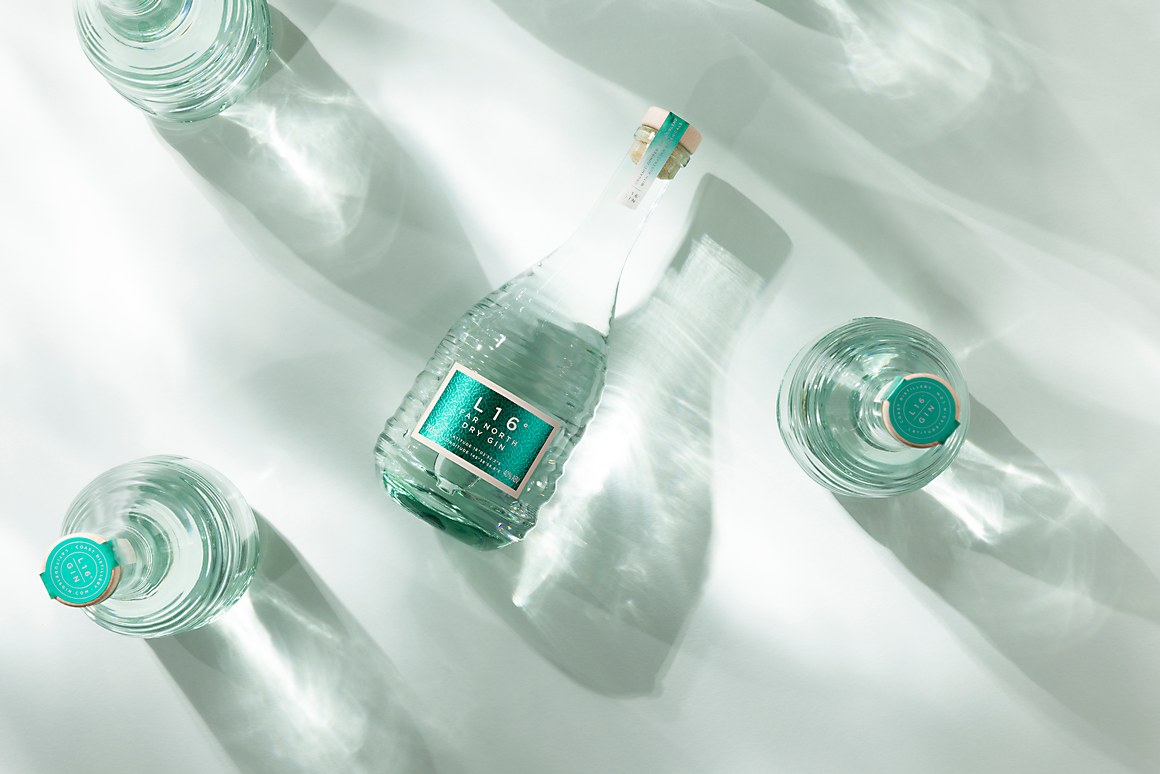
Once the bottle form is defined, the next challenge is turning that concept into glass that can be produced consistently — run after run — while still delivering the premium cues customers notice instantly: clarity, weight, colour, and finish.
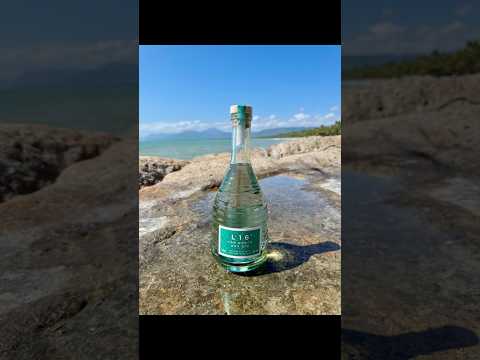
For Latitude 16, this stage was all about repeatability and real-world performance: a bottle that looks beautiful in light, feels substantial in-hand, and holds up through the practical realities of trade and distribution.
Partner spotlight: Rockwood Glass Manufacturing
Stage: Glass manufacturing & colour
What Rockwood brought: A production approach built for premium custom bottles — combining European management with efficient manufacturing processes, plus quality control focused on dimensions, thickness, and defect checking.
Rockwood were suggested to us to for their ability to support flexible production and consistent quality for premium glass bottles. Their capability includes a QC process where products are examined for thickness, dimensions, and defects, with an emphasis on clear, premium-quality glass.
Why glass manufacturing matters in trade
In B2B, glass isn’t just a container — it’s a reliability issue and a brand signal. When glass production is controlled well, it supports:
- Brand consistency: shape and details that match across runs and markets
- Premium presentation: clean clarity and a confident feel in hand
- Operational confidence: fewer surprises in filling, packing, and warehousing
- Distribution resilience: durability that helps reduce breakage and handling losses
Colour: a subtle cue that has to stay consistent
For Latitude 16, the glass tint is a quiet but powerful brand cue — it supports the coastal identity while still keeping the liquid presentation clean and premium. The key in manufacturing is that “subtle” can’t drift: a small change in colour across runs is noticeable on shelf when bottles sit side by side.
That’s why this stage is less about “choosing a colour” and more about building a repeatable specification — so the bottle reads the same way in different lighting, in different venues, and across replenishment orders.
Quality control: the careful work that protects the brand
Premium glass has to be more than beautiful — it needs to perform consistently where it counts: filling, labelling, handling, and repeatability at scale. Rockwood worked closely with us through multiple mould iterations, validating thickness, dimensions, colour consistency, closure compatibility, and production-ready automation so the final bottle delivers reliable presentation and fewer avoidable issues downstream.
Moving from Concept to Production
Timelines matter in new product development — especially when glass, labels, closures, and secondary packaging all need to land together. Rockwood supported us with a clear development pathway, including glass sampling in under six weeks and a stated capability to take new projects from concept to mass production in under three months. While every project differs, that structure made a real difference as we worked toward launch. Just as importantly, their team was exceptionally responsive and generous with their time, answering our questions quickly and thoroughly. As a small business, we felt genuinely supported — treated with the same care and respect you’d expect at a much larger scale. We’ve been delighted with the glass quality and value the partnership highly.
Partner link
Next in the series
From Concept to Shelf: Label Design & Materials — how we approached hierarchy, finish, and durability so Latitude 16 reads clearly in trade and holds up in real service environments.
Trade enquiries
If you’re interested in stocking our range or discussing trade supply, get in touch via our Trade Enquiries page.